
It’s that time of year again, the time when we find ourselves saying these same words over and over in IEP meetings:
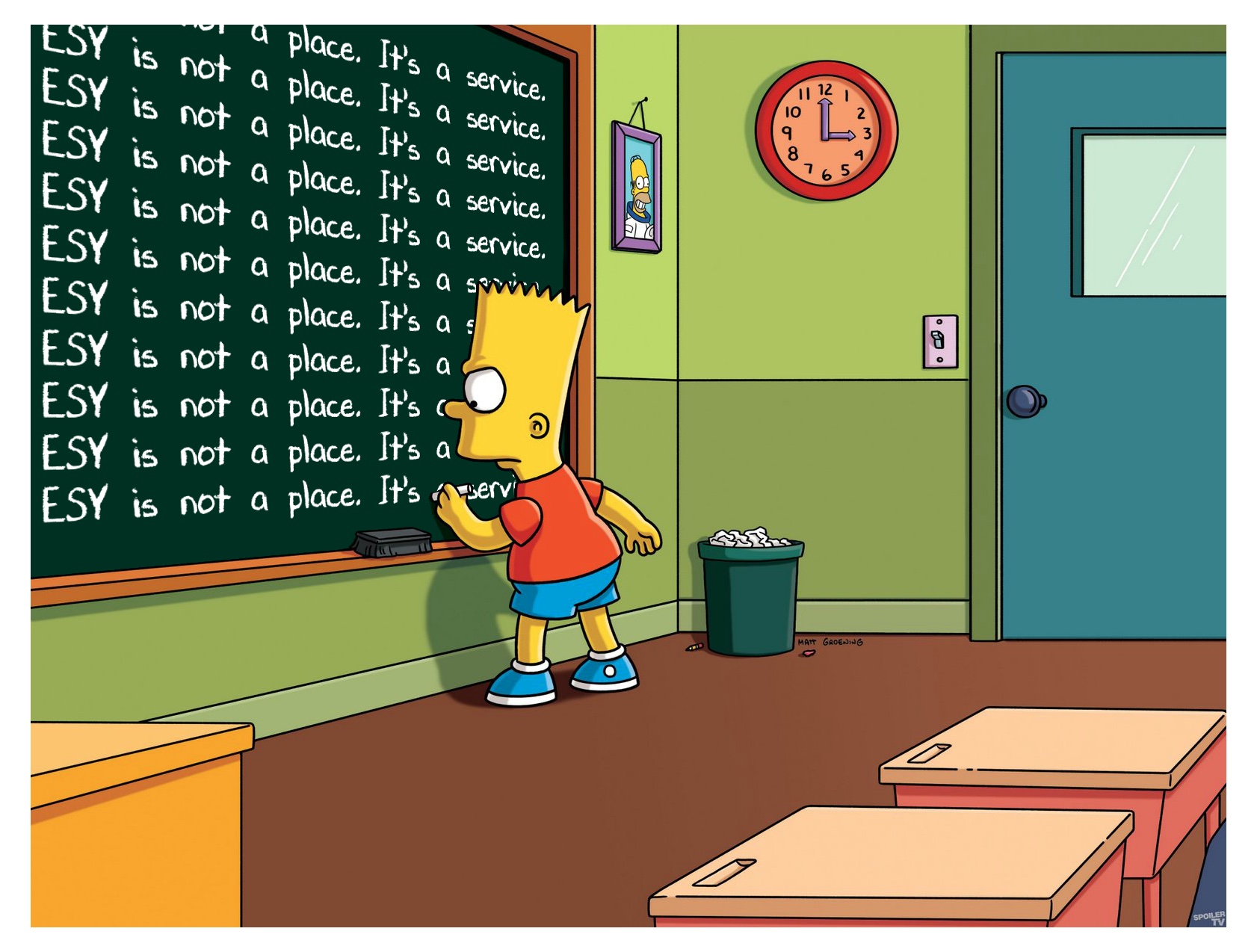
“ESY is not a place. It’s a service.”
ESY (Extended School Year) is a service in a child’s IEP that addresses a child’s disability related needs in an effort to address regression, recoupment and to maintain a child’s emerging skills in relationship to goal progression during extended school breaks. What does this actually mean? It means that:
- if your child has regressed (lost progress made on a goal/goals) and needs to recoup those skills then they qualify for ESY services. These services need to reflect the amount of time needed for the student to regain those lost skills.
- if your child needs to maintain emerging skills, or skills they have begun to gain with a risk of loss, then they also qualify for ESY services. This is very important to know and understand as often in IEP meetings district and school teams seem to base ESY eligibility only on regression. This article from COPAA is another helpful resource to understand ESY and eligibility for ESY.
What services happen in ESY?
The answer is a simple one: The services that your child needs to maintain progress on their goals during extended school breaks. It could be speech, Occupational Therapy, Specialized Academic Instruction, Physical Therapy, etc. What goal areas are being worked on and which ones have a risk of regression recoupment or have a need to maintain emerging skills? Those would be the services that your child needs during their ESY service.
What do you mean when you say ESY is not a place?
ESY is not a place that a student goes to. It’s not a class that everyone with an IEP who qualifies for ESY all go to. ESY is a service provided to a child in their IEP. However, we often hear in IEP meetings that a student “doesn’t qualify for the ESY class which is for more impacted disabilities” and then the district tries to automatically check the ESY box on the IEP document with a no. Often as advocates when we push back and cite the student’s data that demonstrates regression and the need for recoupment or an emerging skill needing to be supported, we are sometimes met with statements like “We don’t have an ESY class for that.”
It can sometimes be challenging to get district staff to shift their thinking about ESY from a place to a service, but there are many options outside of the “ESY class” being offered. For instance if it is the area of speech that had regression, consider requesting 1:1 speech sessions during the summer as the district’s ESY service offer. Did the student lose skills in reading fluency and comprehension? Ask for Structured Literacy instruction with a certified provider at district expense. FYI: school districts can and do contract with outside providers ALL THE TIME.
Another very important consideration when determining what an ESY service will be for a child is that child’s Least Restrictive Environment. Their LRE should not change in an ESY service. For example: if your child is placed in a General Education class with supports then that is your child’s LRE. Sending a child in General Education placement to a Special Day/Self Contained placement “for summer ESY” is a change in that child’s LRE from a less restrictive environment to a more restrictive environment. This situation happens a lot in IEP meetings where the district IEP team members talk about and treat ESY like a place. It will be up to you to educate them on the facts about ESY.
The bottom line is that ESY services should ALWAYS reflect the needs of the child and not just what a district “has this summer” or placement in the “ESY class” for the summer. Look at your child’s data, look at their goals, look at the goal progress summaries. Does the data support the progress noted in the progress summaries? Was the data even provided to you? If you do not have the data collected for each goal, send an email to the case manager and copy the special education director and ask for it as a FERPA request. Go to your IEP meeting prepared to discuss ESY as a service and be prepared to explain that it is not a place. Bring this blog post with you if you need to. If your child has regressed and needs to regain skills or if your child has emerging skills that need to be maintained, be prepared to not accept no as the answer and advocate for your child to receive the SERVICE that they need during the extended school break.
If your request for ESY is denied, ask for that denial in a Prior Written Notice and feel confident in your ability to exercise your rights to Due Process or a state complaint if you feel your child is being denied despite the data demonstrating eligibility.
ESY is a service that is significantly misunderstood in public education, so the more you are educated about eligibility and what ESY actually is, the better you can advocate for your child to receive this important service.